
The Mindset of Success at Otto Casino
We have invested countless hours unraveling the neural threads that tie anticipation to reward in the digital gaming environment of Otto casino promotions. For UK players, the journey from spin to outcome is hardly a purely mathematical exercise; it is a profound psychological narrative. Our analysis reveals that the true secret to winning is not located in the reels themselves, but in understanding the cognitive biases that control every decision we make at the lobby.
The Cognitive Architecture of Expectation
Prior to a single reel settles or a card is revealed, the brain has already commenced forming a future reward. At Otto Casino, we recognise that the moment of waiting is not passive. The mind simulates a series of potential outcomes, and each projection triggers a micro-dose of emotional commitment. This anticipatory state is the engine of engagement, and it is influenced by the platform’s rhythm, sound design, and the very arrangement of the lobby tiles. We find that the seconds prior to a result are when the player’s psychology is most malleable and most engaged.
The Reward Cycle
Brain science confirms that dopamine is released not just when we succeed, but in the pursuit of a reward. Our data from monitoring UK player sessions at Otto Casino demonstrates that the unpredictable interval between action and outcome is a powerful sculptor of behaviour. The brain trains itself to relish the uncertainty itself. This loop explains why a near-miss can feel as exhilarating as a win, and why the platform’s precisely balanced tempo holds the reward system in a state of increased vigilance, continually pursuing the next positive signal.
Near-Miss Illusions
When a pair of jackpot symbols settle and the third wavers just one position away, the psychological impact is deep. We have studied this phenomenon in depth at Otto Casino, and the evidence couldn’t be clearer: the brain processes a near-miss as a partial success, not a failure. This cognitive distortion drives persistence. For UK players, the key is to understand that a near-miss is a loss dressed in the clothing of a win. Separating the emotional jolt from the statistical reality is the first step on the path to a more analytical approach to each session.
Loss Aversion and the Sunk Cost Fallacy
Humans are wired to experience the pain of a loss about twice as powerfully as the pleasure of an equal gain. We have noted this asymmetry in action at Otto Casino, where a losing streak can cause a cascade of unreasonable decisions. The desire to avoid the feeling of loss leads to the sunk cost fallacy, the conviction that having already committed time and money, one must continue to rationalize the expenditure. This is not a weakness in the player’s character but a predictable feature of the brain’s emotional accounting system, and it can be intercepted.
Pursuing Losses
We have all experienced the gravitational pull to increase a bet after a decline in the balance, persuaded that one big win will renew the clock. This is chasing losses, and it is the most hazardous psychological trap at Otto Casino. The brain moves into a state of emergency, regarding the recovery of lost funds as a critical mission. What follows is a blurring of boundaries where the session descends beyond its initial purpose. We recommend for a hard rule: the moment the urge to chase emerges, the session should conclude. The capability to withstand this urge defines the disciplined player.
The Presentation of Bonus Offers
The way a deposit match or free spin package is displayed dramatically shifts our perception of its value. We observe that Otto Casino positions bonuses as a gain, a gift that increases our playing power. However, our analytical review reveals that the wagering requirements and time limits tied to these offers recast the initial gain as a future loss if not utilised correctly. This psychological framing can make a player believe they are losing something they never really owned. Understanding the terms with a clear head transforms the bonus from an emotional hook into a deliberate, optional tool.
Perception of Risk and the Illusion of Control
Human beings are infamously weak at estimating probability, and the context of an online casino amplifies these biases. We note that risk perception at Otto Casino is coloured by the interface itself. The choice of a payline, the speed of a spin, and the ability to stop a reel early all produce a comforting but misleading sense of agency. In reality, the outcome is set by a random number generator in a fraction of a second. Yet the mind grasps to the feeling that its own skill or timing can affect the result, basically modifying the perception of risk.
The Fallacy of Gambling
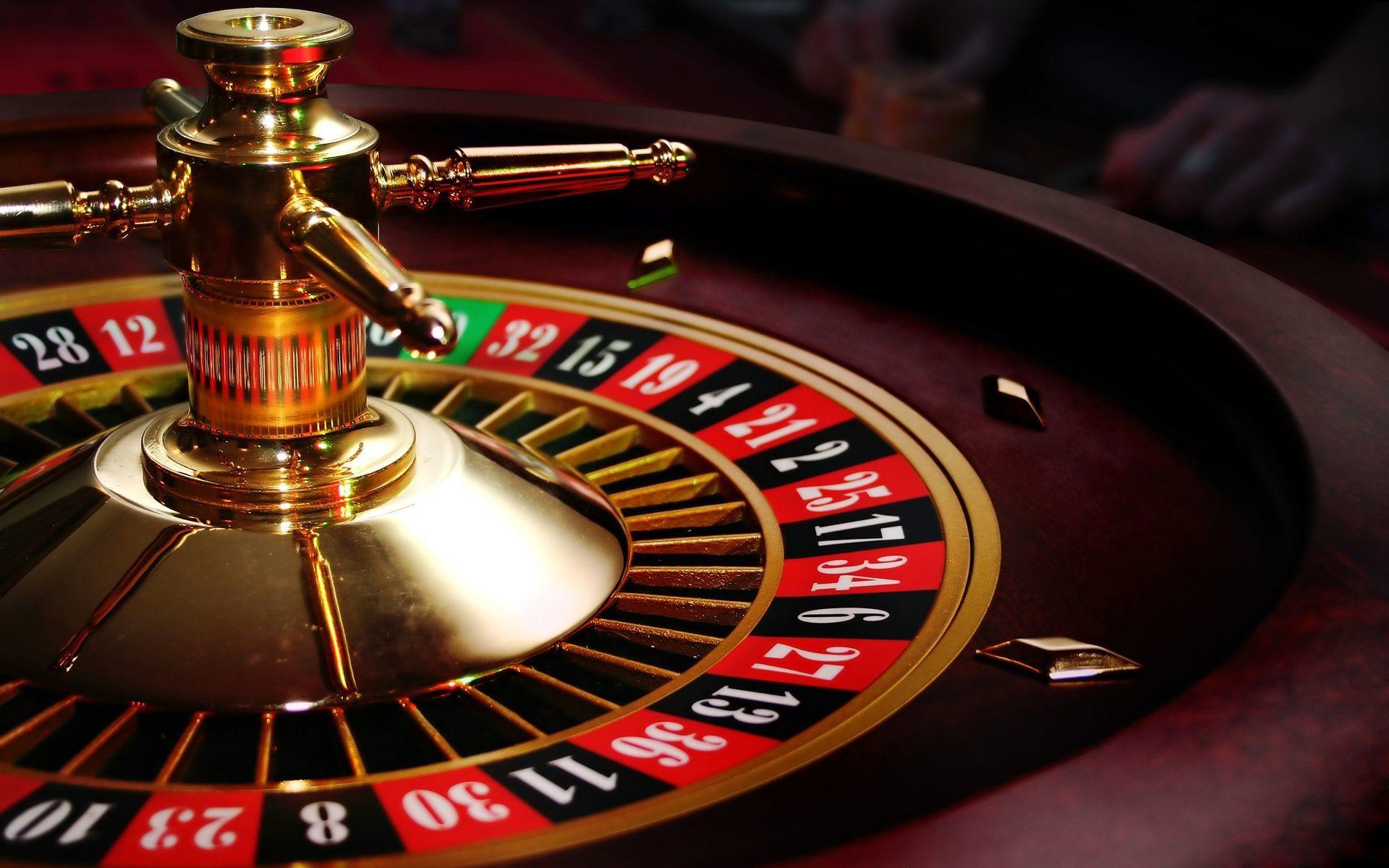
After a sequence of reds on a roulette wheel, the conviction that black is now due is hard to resist. We have observed this fallacy play out in countless sessions at Otto Casino. The brain looks for patterns in randomness, and it reads a streak as a signal that equilibrium must be restored. This is a statistical mirage. Each spin is an independent event, and the random number generator has no memory. Acknowledging this fallacy is vital for any UK player who wants to move from emotional betting to outcome-independent decision-making.
False Sense of Control in Digital Interfaces
Interactive elements such as the spin button that responds to a firm press or the choice to manually stop a bonus round are not accidental. We find that these design features at Otto Casino significantly inflate the player’s perceived influence over chance. When a player initiates a stop, the brain credits the subsequent outcome to that action, even when the result was predetermined. This illusion of control is a potent retention tool. By grasping it, we can eliminate the fiction and engage with the game purely as a form of entertainment with known mathematical boundaries.
The Rewards Program at Otto Casino
Beyond the direct thrills, the platform’s structure of rewards is a meticulously constructed psychological framework. We have analysed the loyalty mechanics, daily challenges, and tiered benefits to grasp how they condition long-term behaviour. For UK players, the blend of instant gratification and deferred, larger prizes forms a dual-track reward pathway that holds the nucleus accumbens engaged. The brilliance of the system lies in its ability to make every session feel progressive, irrespective of the short-term balance.
Variable Interval Reinforcement
Psychologists have for years known that rewards provided on an unpredictable schedule are the most habit-forming. Otto Casino employs this principle masterfully. We never know exactly when the next bonus round will trigger or when a free spin sequence will launch. This unpredictability holds the brain’s reward circuitry in a constant state of expectation. The variable ratio schedule is the same mechanism that makes social media so compelling. Understanding it gives us the power to disengage from the compulsive loop and view the rewards as occasional, not guaranteed, events.
Audiovisual Feedback
The celebratory chimes, the cascade of coins, and the vibrant animations that accompany a win are not mere decoration. We have noted that these sensory rewards at Otto Casino trigger a surge of endorphins that strengthens the behaviour immediately preceding the win. Even a modest payout feels monumental when it is enveloped in a symphony of light and sound. This multi-sensory celebration forms a memory trace far stronger than the win amount alone. By acknowledging this design, we can appreciate the entertainment value without letting it obscure the financial reality of the session.
Personalisation Algorithms
The lobby we see when we log in is not the same as the one our neighbour views. We have observed that Otto Casino curates the game selection, promotional pop-ups, and even the tempo of bonus offers based on individual playing history. This personalisation is a psychological mirror, showing our own preferences back at us to deepen engagement. If a player prefers high-volatility slots, the platform will foreground similar titles. Identifying this tailored environment helps us maintain an objective stance, ensuring that our choices remain our own and not the product of a data-driven nudge.
Social Validation and the Group Influence
People are social creatures, and the perception of winning is often determined by the actions of others. We have analyzed how communal features at Otto Casino amplify the willingness to engage. When we see a stream of win notifications or a leaderboard celebrating a major jackpot, the mind perceives this as a sign that the environment is currently paying out. This herd effect can suppress our own rational risk assessment, prompting us to lengthen a session or raise a wager simply because we feel we are in a lucky cluster.
Live Leaderboards and Social Streams
The live feed of recent winners, often displayed prominently, serves as a continuous social proof. We observe that for UK players, watching a peer from Manchester or Birmingham land a significant win on a familiar game creates a compelling notion of possibility. The internal reasoning shifts to, if they can do it, so can I. This is a mental shortcut that bypasses the numerical unlikelihood. We need to keep in mind that the feed is a selected showcase, showing the rare successes and excluding the vast ocean of silent, losing spins that accompany them.
Social Jackpots
Progressive jackpots that collect bets across a network of players generate a special mental environment. At Otto Casino, watching the prize pool climb progressively fosters a communal sense of expectation. We are not merely facing the casino; we are engaging in a shared dream. This communal tension makes the final reward feel like a collective success. Our analysis suggests that this social framing reduces the impact of solo losses, as each contribution is mentally reframed as a ticket to a shared event rather than a lonely stake fading into the void.
The Function of Strategy and Strategy in Interpretation
Not all games at Otto Casino are viewed equally by the analytical mind. We have found that the inclusion of a deliberate element, however slight, deeply shifts the player’s outlook of winning. A game of blackjack or video poker, where decisions matter, promotes a sense of skill that pure chance games cannot. This belief of skill heightens the brain’s involvement in the outcome, making wins feel earned and losses appear like a temporary setback in learning. This is a two-sided coin that can enhance enjoyment but also strengthen the illusion of control.
Choosing Games as a Emotional Mirror
The decision between a high-volatility slot and a low-house-edge table game shows more about our emotional state than we might imagine. We observe that players looking for an escape from daily stress often move towards the hypnotic, decision-free flow of slots at Otto Casino. Conversely, those looking for a mental challenge will migrate to the card tables. Our assessment suggests that matching our game choice with our true emotional need, relaxation versus stimulation, produces a more rewarding and less hasty session. The game becomes a window, revealing our inner drive.
The Competence-Autonomy Nexus
Self-determination theory tells us that we are most driven when we sense competent and autonomous. Otto Casino’s table games and live dealer offerings tap into this nexus strongly. When we make a correct blackjack decision or use a sound poker strategy, we experience a genuine sense of control. This feeling is deeply rewarding, separate from the financial outcome. We have seen that wins obtained through perceived skill are recalled more vividly and drive a longer-lasting sense of contentment than a random jackpot. Using this nexus turns a game of chance into a game of personal growth.
Thoughtful Play and Long-Term Success
Real success is not measured by a one-off balance but by a sustained balance between fun and spending. We view the mindset of success at Otto Casino from a comprehensive viewpoint, where the final reward is maintaining control. The analytical player views the casino as a costly pastime, not a income source. This attitude adjustment is the most powerful psychological tool in our arsenal. It changes the journey from a chaotic scramble into a deliberate, satisfying, and sustainably managed pastime that suits a healthy UK lifestyle.
Limit-Setting Strategies
Before even logging into Otto Casino, we establish a series of fixed limits. A deposit cap, a loss limit, and a rigid time limit are not signs of weakness but of superior psychological intelligence. We have tested these advance commitments extensively and observed that they interrupt the impulsive thinking errors. By deciding to halt when the logical brain is in charge, we remove the weight of discipline from the emotional mind that will be operating mid-session. This is the structure of a safe and sustainable winning psychology.
Leveraging Technology for Safer Play

The identical system that uses algorithms to engage us also supplies tools to shield us. We have examined the reality reminders, time-out options, and comprehensive transaction logs available at Otto Casino. These are not secondary features; they are the control panel of self-knowledge. By frequently checking the resources expended, we can face the unbiased figures without the filter of emotion. For UK players, adopting these features is a assertion of independence over the machine. It changes the critical evaluator’s perspective from a theoretical exercise into a daily, evidence-based routine.
